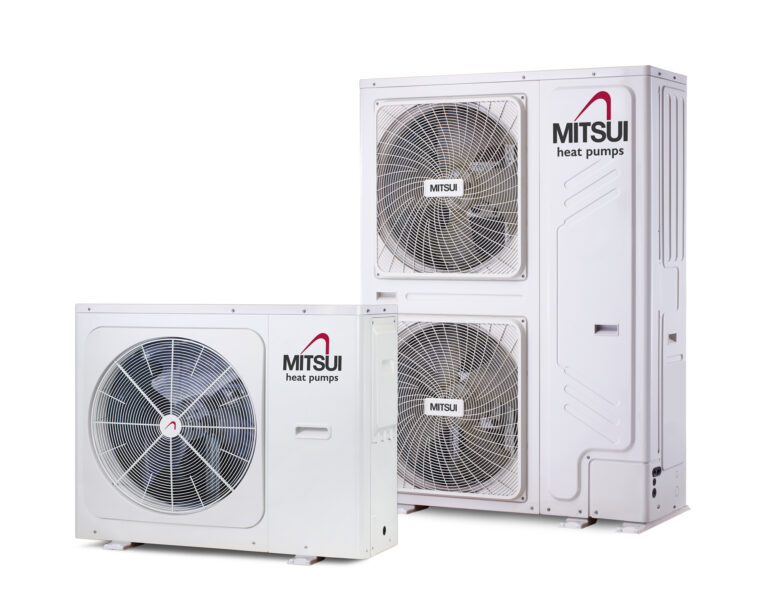
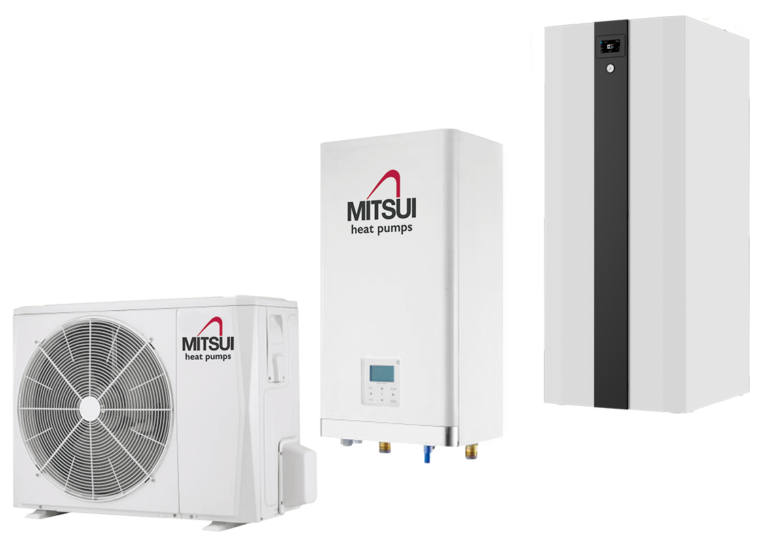
A heat pump is an innovative and environmentally friendly technology designed to extract thermal energy from the atmosphere and transfer it inside the home for heating or cooling and domestic hot water production. Heat pumps require electricity to operate, but they can save you up to 70 percent on your heating bills, and their efficiency is comparable to gas-fired central heating systems.
Multiflex System
PDC Monoblock
Split PDCs
ACS Line
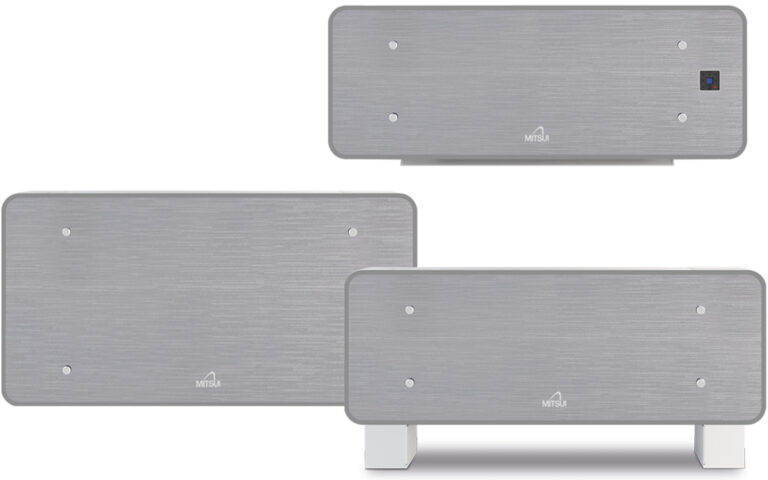
Fan Coil Design Line
Benefits
Combination to maximize thermal function
Stoves and heating stoves
Boilers
Solar collectors
Heating elements
Combination to lower operating costs
Photovoltaic
Storage batteries
Home automation control
Combination with heating systems
Fan Coil Unit
Radiant panels
Domestic hot water tank
Radiators
Renewable Energy
Less impact and more savings
Heat pumps transfer energy, found freely in renewable sources such as soil, groundwater and air, to rooms or spaces with different temperature sources.
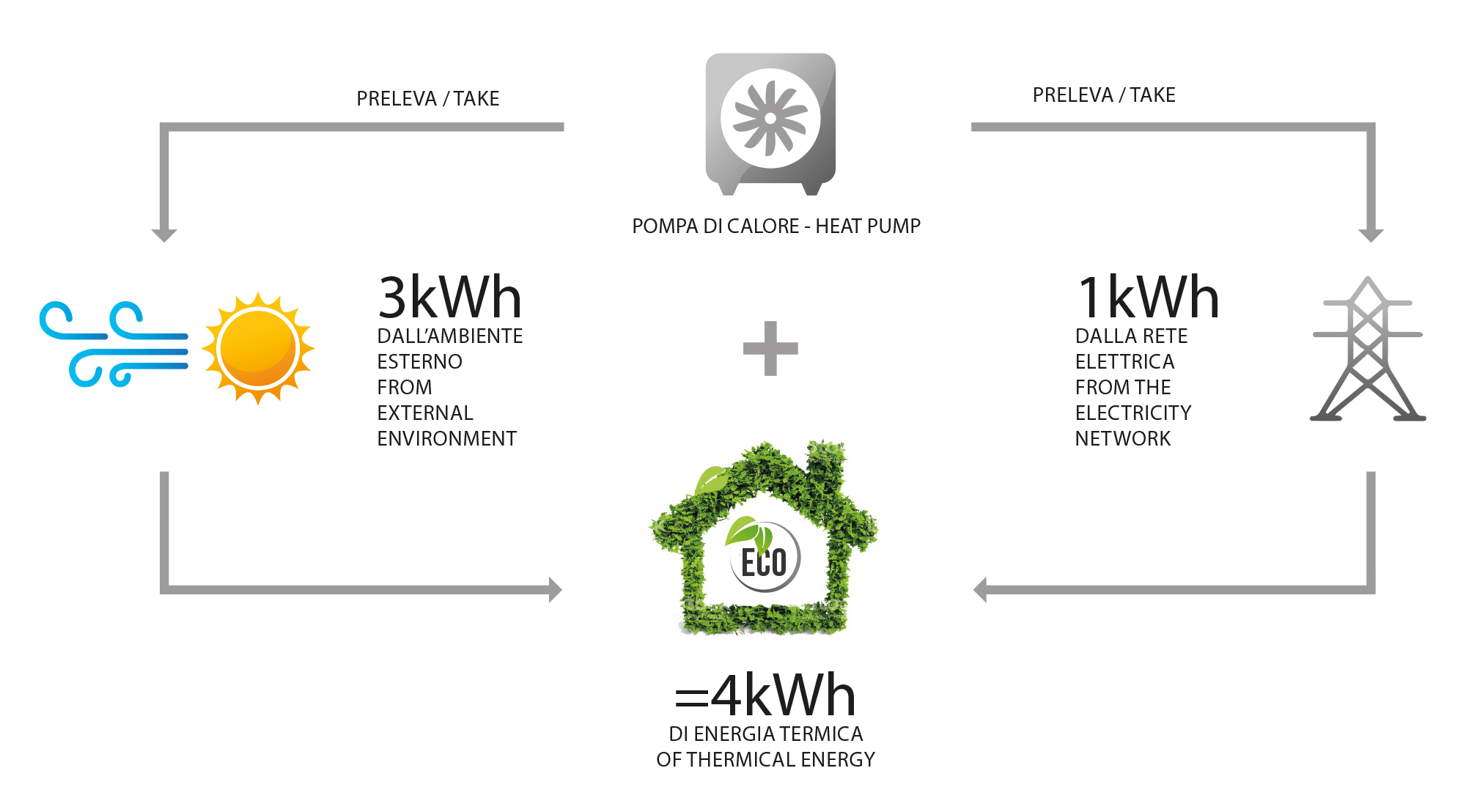
They thus constitute the ideal solution for reducing energy consumption andCO2 emissions while preserving the planet. Typically, to supply 4kWh of thermal energy to the home, the heat pump draws 3kWh from the outdoor environment and only 1kWh from the power grid. So we could say that about 75% of the energy produced comes from the external environment, and the electricity input is only 25%.
In the event that the home has a photovoltaic panel system, here you would also save that 25 percent as it is produced through zero-cost solar energy.